


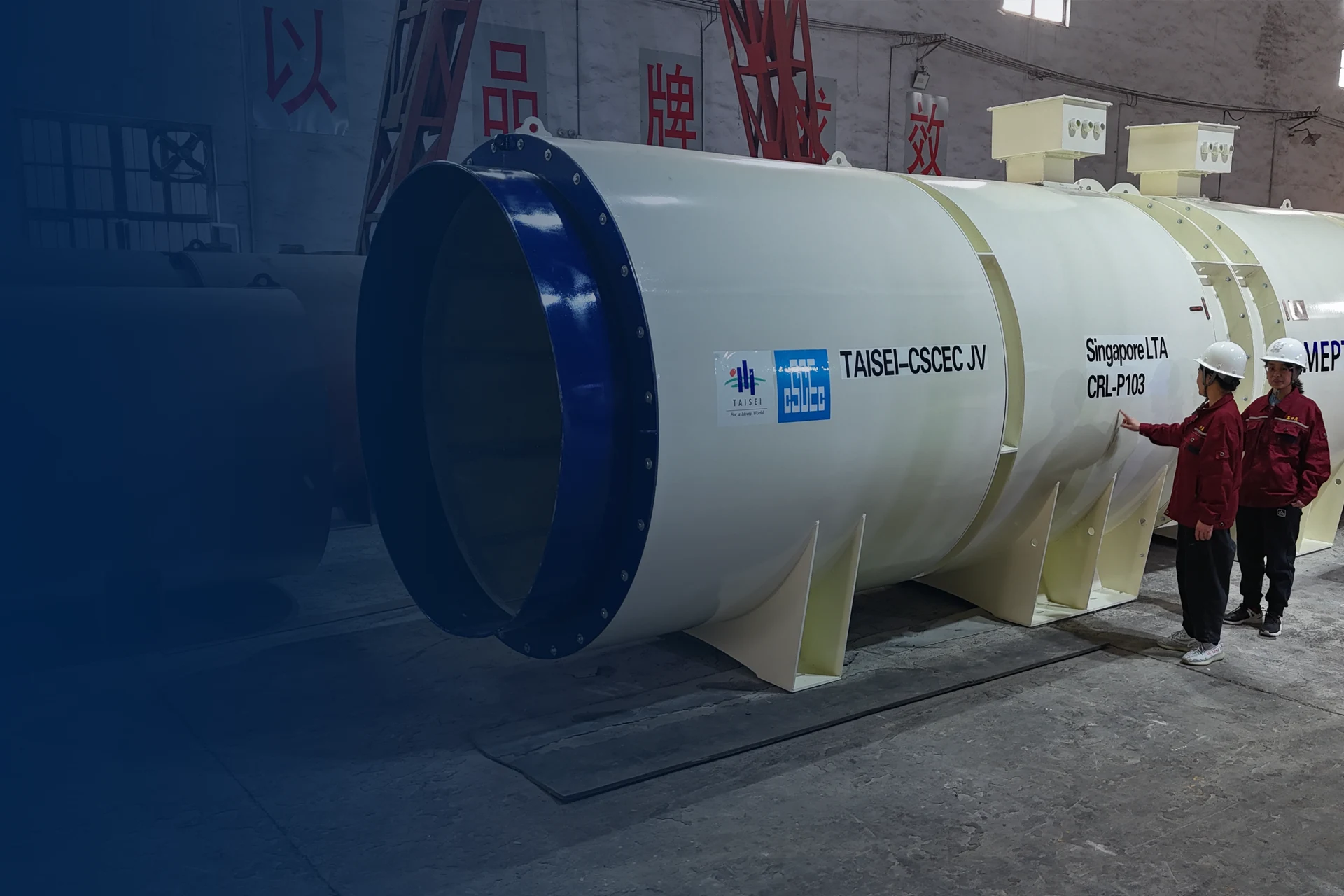
Can a variable frequency high-pressure blower operate under overpressure?
Release time:
Jan 22,2025
Source:
The variable frequency high-pressure blower is a device that can adjust its speed and airflow according to demand, widely used in various industrial and commercial environments.
Variable frequency high-pressure fans are devices that can adjust their speed and airflow according to demand, widely used in various industrial and commercial environments. Regarding whether variable frequency high-pressure fans can operate under overpressure conditions, we need to discuss this from multiple angles.
Firstly, overpressure operation refers to the situation where the system pressure of the fan exceeds the design or specified pressure limit during operation. For any equipment, overpressure operation carries risks. Variable frequency high-pressure fans are designed with a reasonable pressure range, and exceeding this range may lead to damage to equipment components, such as impellers and motors.
From the working principle of the fan, overpressure operation may lead to the following issues:
1. Excessive motor load: When the system pressure exceeds the design value, the load on the motor will significantly increase, which may cause the motor to overheat, get damaged, or have a shortened lifespan.
2. Component damage: Components such as the impeller and bearings of high-pressure fans may experience fatigue or damage due to excessive stress when operating in an overpressure environment.
3. Safety risks: Overpressure operation may also lead to system instability, increasing the risk of accidents.
Variable frequency high-pressure fans have variable frequency control functions, which means we can change the fan's speed and corresponding airflow by adjusting the power frequency. When the system pressure approaches or reaches the design limit, the fan speed can be reduced to avoid overpressure. Additionally, pressure sensors and variable frequency drives can be installed in the system to achieve automatic pressure control.
To ensure the normal operation of the equipment and extend its service life, users should follow these recommendations:
1. Strictly follow the equipment specifications and operation manuals for installation, debugging, and use.
2. Regularly maintain and inspect the equipment to ensure it operates in good working condition.
3. Avoid operating for long periods under overpressure conditions.
4. If the system pressure approaches or exceeds the design value, timely adjustments to the fan speed or other measures should be taken to reduce the pressure.
In summary, variable frequency high-pressure fans should not operate under overpressure conditions. To ensure the normal operation and service life of the equipment, users should strictly adhere to operational specifications and ensure that the system operates within a reasonable pressure range.
Key words:
Tunnel Fan
CIFEKOH
Previous Page
Next Page
Related News
What are the classifications of fans?
Fans are ventilation and gas delivery devices widely used in industries, construction, environmental protection, and other fields.
The definition and uses of fans.
A fan, also known as a ventilator, is a device that utilizes the movement of gas to achieve energy conversion and gas transportation.
The Wonderful Uses of Blowers: From Exhaust to Speed Regulation
Blowers have a wide range of applications in our daily lives, and their main function is to provide forced airflow to meet various needs.
The main characteristics of VOC fans.
VOC fans, or volatile organic compound fans, are specially designed fan equipment used to handle air emissions containing VOCs.
Can a variable frequency high-pressure blower operate under overpressure?
The variable frequency high-pressure blower is a device that can adjust its speed and airflow according to demand, widely used in various industrial and commercial environments.

Shanxi Houma Xinfengkang Fan Co.,Ltd.
Contact Us
TikTok
Power by 300.cn Privacy Policy