


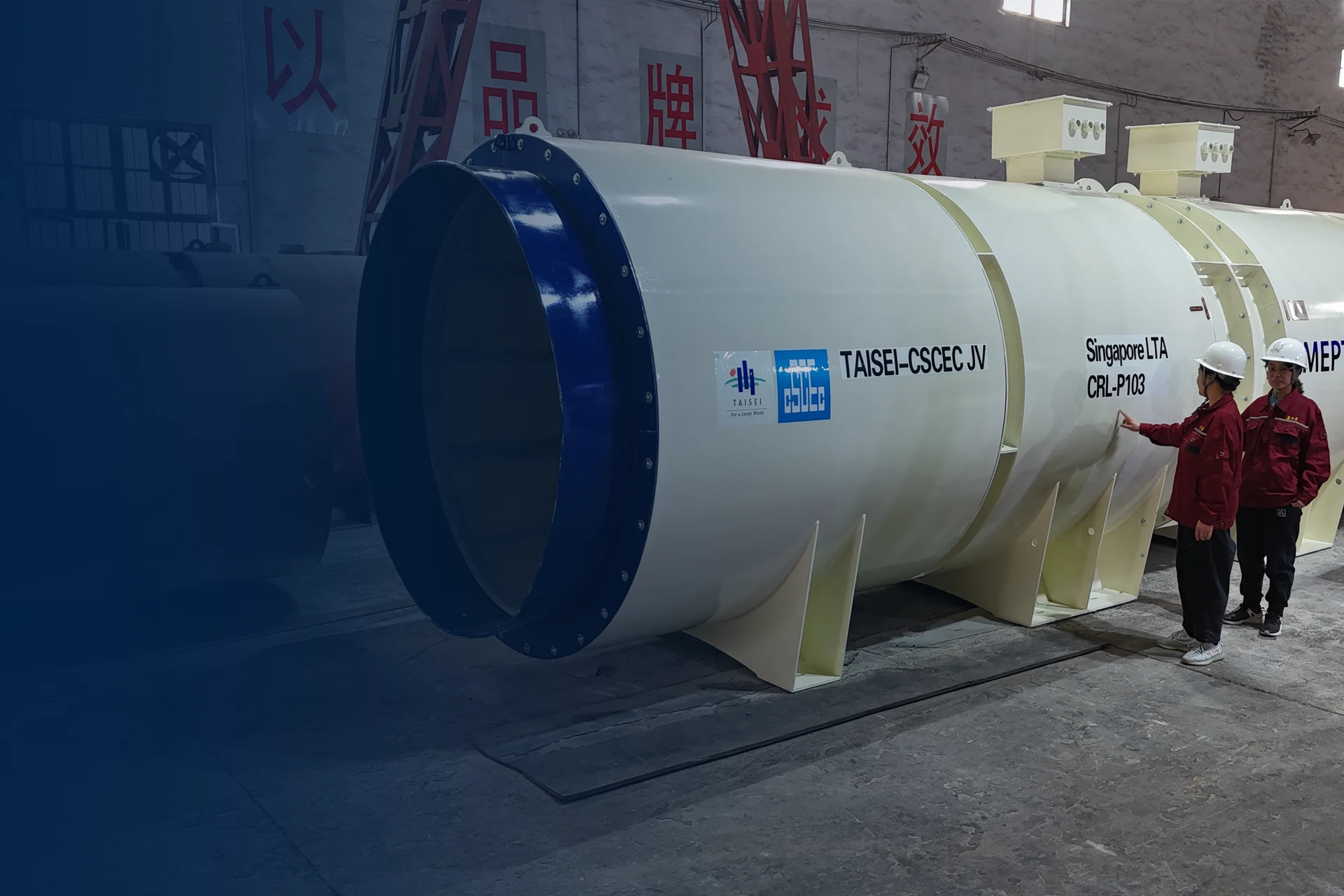
Basic Knowledge and Selection Methods of Fans
Release time:
Jan 22,2025
Source:
Fans, an important type of fluid machinery, are widely used in scenarios such as air convection, ventilation, and cooling.
Basic Knowledge and Selection Methods of Fans
1. Basic Knowledge of Fans
A fan, an important fluid machine, is widely used in air convection, ventilation, cooling, and other scenarios. It mainly consists of components such as a motor, blades, and casing. The working principle of a fan is primarily to drive the blades to rotate through the motor, drawing in and blowing out air to achieve air flow.
The performance parameters of a fan mainly include flow rate (air volume), pressure (air pressure), power, efficiency, etc. Flow rate refers to the volume or mass of air passing through the fan blades per unit time, which is related to factors such as the size and speed of the fan. Pressure indicates the difference between the gas pressure at the fan's outlet and the gas pressure at the inlet. Power represents the electricity consumption of the fan, while efficiency is the ability to convert energy.
2. Selection Methods
1. Determine Requirements: First, clarify the usage scenario, such as factory ventilation, cooling equipment, air purification, etc., and understand the required flow rate, pressure, and other parameters.
2. Match Performance Parameters: Based on the determined flow rate, pressure, and other parameters, select the corresponding fan model with the appropriate performance. Ensure that the selected fan's performance parameters can meet actual application needs.
3. Consider Environmental Factors: Consider factors such as environmental humidity, temperature, and corrosiveness, and choose a fan material and type that can adapt to the environment.
4. Motor Selection: Choose the appropriate motor type based on power supply voltage, frequency, and usage environment, such as standard motors, explosion-proof motors, etc.
5. Noise and Energy Efficiency: Consider the noise level and energy efficiency ratio of the fan, selecting products that are low in noise and high in energy efficiency.
6. Reliability and After-Sales Service: Choose reputable manufacturers and understand the product's quality assurance and after-sales service.
7. Cost Consideration: While meeting performance requirements, consider cost factors and select products with high cost-effectiveness.
8. Practical Operation: During the selection process, you can also refer to the actual usage experiences and evaluations of other users to make a more suitable selection decision.
In summary, the selection of fans should consider various aspects such as actual needs, environmental factors, and performance parameters. Correctly selecting the appropriate fan can not only meet usage requirements but also improve system operating efficiency and reduce costs. I hope the above content can help you better understand the basic knowledge and selection methods of fans.
Key words:
Tunnel Fan
CIFEKOH
Previous Page
Next Page
Related News
What are the classifications of fans?
Fans are ventilation and gas delivery devices widely used in industries, construction, environmental protection, and other fields.
The definition and uses of fans.
A fan, also known as a ventilator, is a device that utilizes the movement of gas to achieve energy conversion and gas transportation.
The Wonderful Uses of Blowers: From Exhaust to Speed Regulation
Blowers have a wide range of applications in our daily lives, and their main function is to provide forced airflow to meet various needs.
The main characteristics of VOC fans.
VOC fans, or volatile organic compound fans, are specially designed fan equipment used to handle air emissions containing VOCs.
Can a variable frequency high-pressure blower operate under overpressure?
The variable frequency high-pressure blower is a device that can adjust its speed and airflow according to demand, widely used in various industrial and commercial environments.

Shanxi Houma Xinfengkang Fan Co.,Ltd.
Contact Us
TikTok
Power by 300.cn Privacy Policy